
March 24, 2021 — Endotronix Inc., a digital health and medical technology company working on advancements in treating of ...
Diagnostic and Interventional Cardiology DAIC
Diagnostic and Interventional Cardiology (DAIC) is a magazine that reaches more than 25,000 healthcare professionals in cardiology, interventional cardiology and cath labs across the United States. These influential buying team members rely on DAIC's award-winning editorial content and comparison charts as a unique research tool for specifying, recommending and approving technology/device purchases.

 March 24, 2021

Interview with Scott E. Kasner, M.D., who served as the principle investigator for the Gore Cardioform REDUCE trial, and ...
March 23, 2021
Feature | Antiplatelet and Anticoagulation Therapies | By Dave Fornell, Editor
A comprehensive review or more than 80 randomized controlled trials (RCTs) investigating how to best manage optimal ...
March 22, 2021
Surgeons at Penn State Heart and Vascular Institute were the second group in the nation to implant a newly-designed ...
March 22, 2021
March 18, 2020 — A groundbreaking new study led by University of Minnesota Twin Cities researchers from both the College ...
March 18, 2021
March 18, 2021 — The U.S. Food and Drug Administration (FDA) has cleared Boston Scientific's TheraSphere Y-90 Glass ...
March 18, 2021
March 12, 2021 — Since early in the pandemic, COVID-19 has been associated with heart problems, including reduced ...
March 12, 2021
March 12, 2021 — Cardinal Health today announced that it is selling its Cordis cardiology and endovascular business to ...
March 12, 2021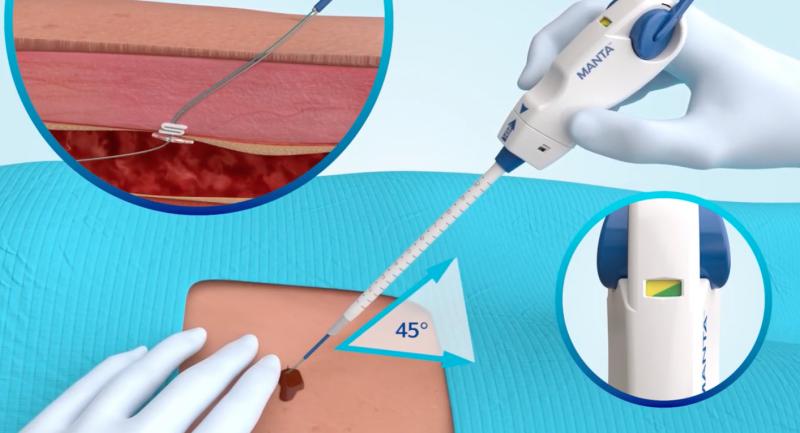
Feature | Hemostasis Management | Dave Fornell, Editor
While many cardiac and vascular procedures have largely moved to minimally invasive techniques, the size of these ...
March 09, 2021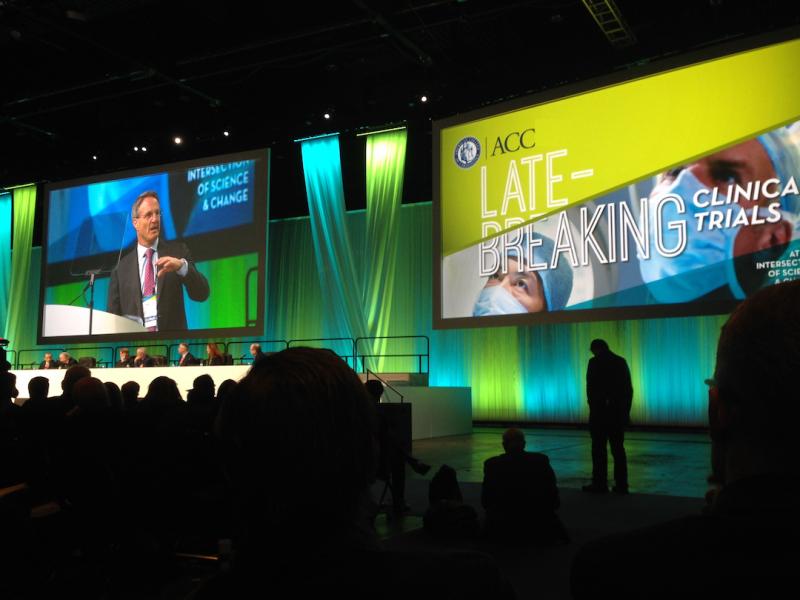
The latest cardiology practice-changing scientific breakthrough, late-breaking study presentations have been announced ...
May 18, 2021
March 3, 2021 — Medtronic announced new results from the landmark REVERSE trial, evaluating outcomes of cardiac ...
March 03, 2021
March 3, 2021 — Impulse Dynamics recently announced that DEKRA Certification B.V., a global regulatory organization ...
March 03, 2021
March 3, 2021 — AliveCor recently announced a new collaboration with AstraZeneca to research new disease management ...
March 03, 2021
March 2, 2021 — Penn State Health Milton S. Hershey Medical Center became the second hospital in the nation to implant a ...
March 02, 2021
March 1, 2021 — Medtronic is recalling the HeartWare Ventricular Assist Device (HVAD) Pump Implant Kit because the left ...
March 01, 2021