

The Society for Cardiovascular Angiography and Interventions (SCAI) has released new guidelines to address the selection of specific categories of devices when endovascular therapy (EVT) is indicated. The purpose of this document, which is the first of its kind, is to provide a review of comparative effectiveness data, including safety and efficacy of femoral-popliteal (FP) devices. The document also provides clinicians with guidance and recommendations for device selection when these devices are intended as the definitive or adjunctive therapy.
 May 15, 2018

News | Cath Lab
Revised guidelines incorporating new data on discharge criteria for patients undergoing elective percutaneous coronary intervention (PCI) will allow for flexibility in length of stay while ensuring patient safety. The guidelines were published in early-view online in Catheterization and Cardiovascular Interventions, the official journal of the Society for Cardiovascular Angiography and Interventions (SCAI).
May 15, 2018
Feature | Cath Lab
May 15, 2018 – The large-scale, international randomized PRESERVE clinical trial found high-risk patients for renal ...
May 15, 2018Sponsored Content

Feature | Nuclear Imaging
Cardiac PET/CT represents a major advancement in cardiovascular diagnostics, offering significant clinical and ...
November 12, 2025
News | Cath Lab
May 15, 2018 — A contemporary, real-world analysis shows lower mortality rates when culprit-only intervention is used ...
May 15, 2018
Feature | Cardiovascular Clinical Studies
May 14, 2018 – New clinical evidance shows common therapy options for psoriasis (PSO), a chronic inflammatory skin ...
May 14, 2018
Feature | Heart Valve Technology
May 14, 2018 – A new study finds patients who stay in the hospital for more than 72 hours when undergoing trans-femoral ...
May 14, 2018Sponsored Content

Feature
SPONSORED CONTENT — Studycast is a comprehensive imaging workflow system that allows healthcare professionals to work ...
June 17, 2025
May 14, 2018 – One-year outcomes of patients undergoing chronic total occlusion (CTO) percutaneous coronary intervention ...
May 14, 2018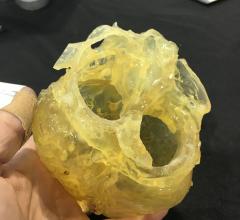
News | Heart Valve Technology
May 14, 2018 – A new study examines the effectiveness of 3-D printing technology and computer modeling to predict ...
May 14, 2018
The Society for Cardiovascular Angiography and Interventions (SCAI) announced the launch of the SCAI PAD Diagnosis and Treatment Resource Center. This center will be an ongoing, patient-centered quality improvement initiative focused on helping increase peripheral artery disease (PAD) awareness in the cardiovascular and internal medicine community by delving into the underlying risks of this disease state.
May 14, 2018Sponsored Content
Feature | Information Technology
Providing exceptional cardiovascular care for patients to achieve the best possible outcomes is the number one goal for ...
March 21, 2024
May 14, 2018 — A significant update to the PROGRESS-CTO (PROspective Global Registry for the Study of Chronic Total ...
May 14, 2018
May 14, 2018 — The opioid drug epidemic is impacting cardiology, with a new study finding the number of patients ...
May 14, 2018
Feature | SCAI
Here is an aggregation of all the news and late-breaking studies presented at the 2018 Society for Cardiovascular ...
May 14, 2018Sponsored Content
Feature | Cardiac Imaging
Cardiac positron emission tomography (PET) is growing in popularity among cardiologists because it provides the ability ...
March 05, 2024
News | Cardiovascular Business
May 14, 2018 — Diagnostic and Interventional Cardiology (DAIC) magazine was honored with a Silver national Azbee Award ...
May 14, 2018News | Heart Failure
Ancora Heart Inc. announced the expansion of the company’s U.S. feasibility study to evaluate the investigational AccuCinch Ventricular Repair System designed for the treatment of heart failure and functional mitral regurgitation (FMR). Ancora has received approval from the U.S. Food and Drug Administration (FDA) to enroll a second group of subjects and expand to 15 heart centers across the United States.
May 14, 2018
News | Heart Valve Technology
A new study looked at the effectiveness of a novel risk tool to predict 30-day readmission rates in patients undergoing transcatheter aortic valve replacement (TAVR). This first-ever tool calculates a score to help clinicians and medical professionals predict risk of 30-day readmission for TAVR patients and can be easily incorporated in patient electronic medical records (EMR). The study was presented at the Society for Cardiovascular Angiography and Interventions (SCAI) 2018 Scientific Sessions, April 25-28 in San Diego.
May 11, 2018