

News | Heart Valve Technology
Edwards Lifesciences Corp. recently announced new data demonstrating dramatic and sustained improvements in quality of life for severe aortic stenosis (AS) patients at intermediate surgical risk treated with Edwards transcatheter heart valves. Study results were presented at the 28th Transcatheter Cardiovascular Therapeutics (TCT), the annual scientific symposium of the Cardiovascular Research Foundation, in Washington, D.C.
 November 07, 2016

Feature | Left Atrial Appendage (LAA) Occluders
November 7, 2016 – Results from the U.S. real-world, post-FDA approval experience of the Watchman device found high ...
November 07, 2016
News | Heart Valve Technology
Keystone Heart Ltd. announced that data presented at the Transcatheter Cardiovascular Therapeutics (TCT) 2016 scientific symposium demonstrate an increase in brain lesions for patients following transcatheter aortic valve replacement (TAVR) procedures, which were significantly associated with delirium.
November 07, 2016Sponsored Content

Feature | Nuclear Imaging
Cardiac PET/CT represents a major advancement in cardiovascular diagnostics, offering significant clinical and ...
November 12, 2025
News | Stents
November 7, 2016 – Results from TRANSFORM-OCT, a prospective, randomized trial using optical coherence tomography (OCT) ...
November 07, 2016
News | Heart Valve Technology
November 7, 2016 – A multicenter randomized trial evaluating the role of embolic protection using the Sentinel device ...
November 07, 2016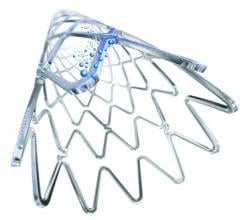
News | Stents
Polymer-Free Drug-Coated Stents More Effective Than Bare-metal Stents in High Bleeding Risk Patients
November 7, 2016 – The two-year results from LEADERS FREE, the first randomized clinical trial dedicated to high ...
November 07, 2016Sponsored Content

Feature
SPONSORED CONTENT — Studycast is a comprehensive imaging workflow system that allows healthcare professionals to work ...
June 17, 2025
News | Stents Bioresorbable
The 28th annual Transcatheter Cardiovascular Therapeutics (TCT) scientific symposium, Oct. 29-Nov. 3 in Washington, D.C., featured a number of first report investigations on novel stents that could become the next generation of bioresorbable stents in patients.
November 07, 2016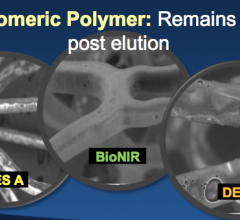
News | Stents
November 7, 2016 – The large multinational randomized BIONICS study found that a novel elastic polymer coated ...
November 07, 2016
News | Cath Lab
November 7, 2016 – Two-year results from the COLOR Trial, the first large-scale multicenter prospective study of its ...
November 07, 2016Sponsored Content

Feature | Information Technology
Providing exceptional cardiovascular care for patients to achieve the best possible outcomes is the number one goal for ...
March 21, 2024
Feature | Dave Fornell
November 4, 2016 — Here is the list of the top 20 most popular pieces of content on the Diagnostic and Interventional ...
November 04, 2016
News | Cardiovascular Surgery
Coronary artery bypass (CABG) surgery is the standard treatment for revascularization in patients with left main coronary artery (LMCA) disease, but use of percutaneous coronary intervention (PCI) for this indication is increasing. Findings from the Nordic–Baltic–British Left Main Revascularization Study (NOBLE) trial found that despite similar mortality, the five-year risk of major adverse events was higher after PCI compared to CABG for the treatment of unprotected LMCA disease.
November 03, 2016
News | Structural Heart Occluders
St. Jude Medical Inc. announced the long-term data from RESPECT, a landmark trial, during a First Report session at the 2016 Transcatheter Cardiovascular Therapeutics (TCT) conference in Washington, D.C.
November 02, 2016Sponsored Content
Feature | Cardiac Imaging
Cardiac positron emission tomography (PET) is growing in popularity among cardiologists because it provides the ability ...
March 05, 2024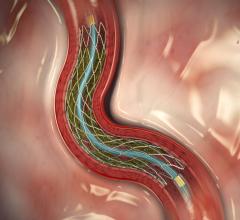
News | Stents Drug Eluting
Investigators recently unveiled clinical data from the independent BIO-RESORT study, representing the first all-comers analysis to compare the safety and efficacy of biodegradable polymer stents (BP-DES) to the durable polymer Resolute Integrity drug-eluting stent (DP-DES) from Medtronic. At one year, patients with coronary artery disease who were treated with a biodegradable polymer stent showed no clinical benefits over patients treated with Resolute Integrity.
November 02, 2016
News | Heart Valve Technology
Medtronic plc recently announced new clinical data for the Harmony Transcatheter Pulmonary Valve (TPV) from its early feasibility study, showing improved hemodynamics from baseline and consistent valve performance at one year. Presented at the Transcatheter Cardiovascular Therapeutics (TCT) scientific symposium, the positive new data from the first-of-its-kind early feasibility study led the U.S. Food and Drug Administration (FDA) to also recently approve the initiation of a Pivotal Investigational Device Exemption (IDE) study to evaluate the valve’s safety and effectiveness.
November 02, 2016
Technology | Structural Heart Occluders
St. Jude Medical Inc. announced this week the U.S. Food and Drug Administration (FDA) approval and launch of the Amplatzer PFO Occluder to help reduce the risk of recurrent ischemic strokes in patients diagnosed with a patent foramen ovale (PFO). With the approval, patients in the United States with a PFO (a small opening between the upper chambers of the heart) who have suffered an ischemic stroke — a stroke resulting from blockages in the blood supply to the brain — will now have access to a closure device proven to reduce their risk of recurrent stroke, rather than relying on medical management alone.
November 02, 2016